Screen printing at PAS is:
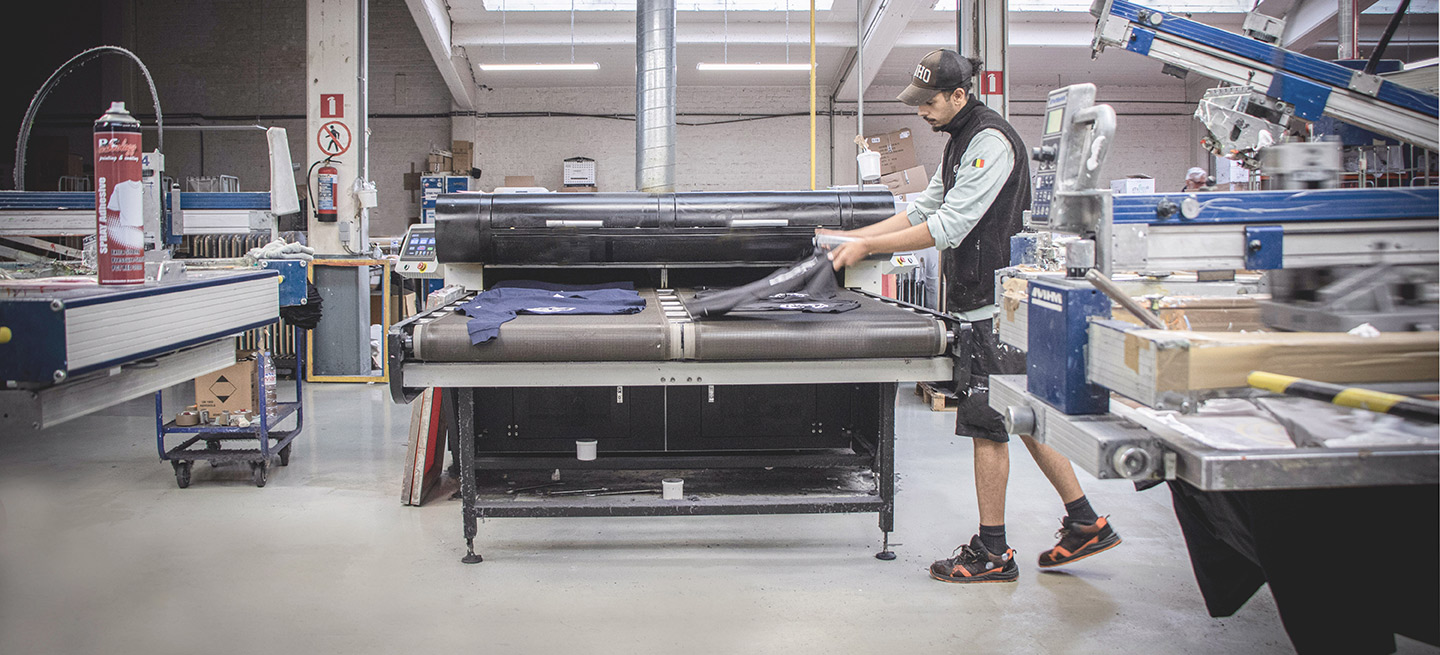
PAS was born from a passion for screen printing. For over 35 years, screen printing has been our core technique. Our extensive experience guarantees high-quality results, from one-color to full-color prints. Over the years, our capacity has more than quadrupled, and our 38 employees ensure excellent outcomes.
Screen printing process
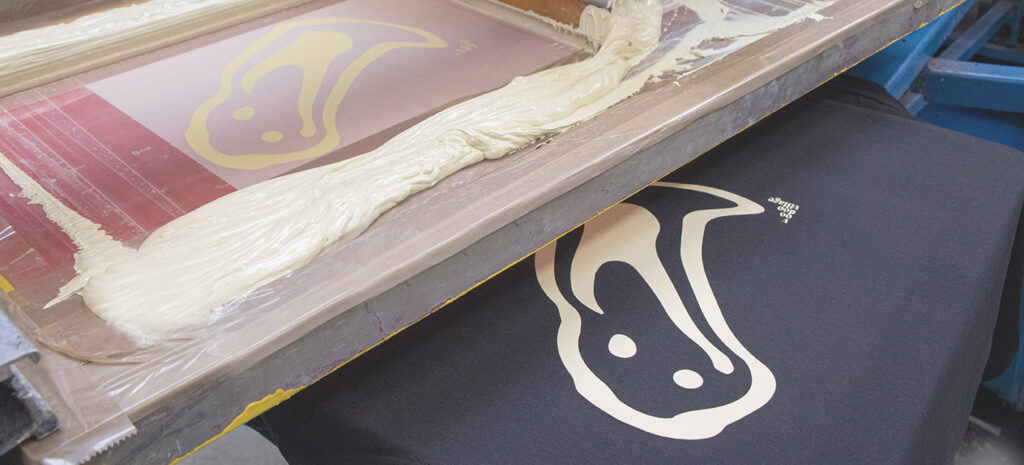
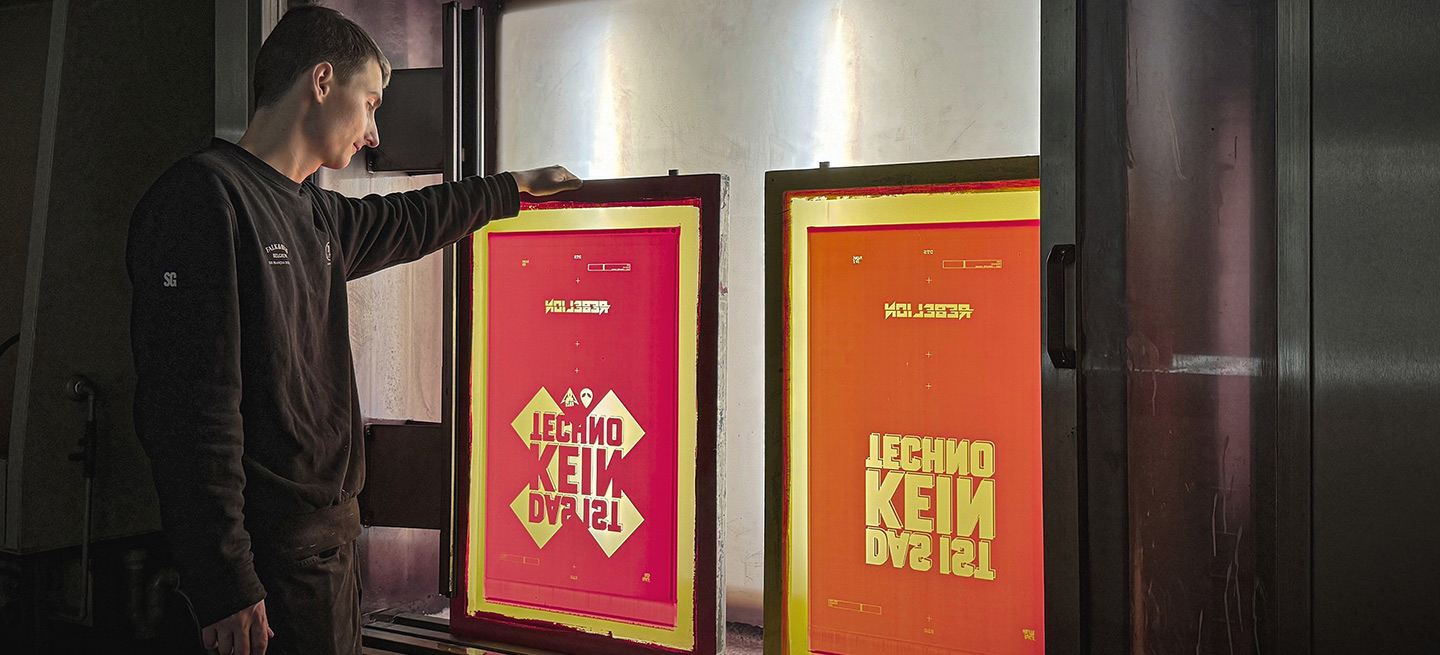
Screen printing is a printing technique where a screen with light-sensitive emulsion is exposed to a design. After exposure, the unexposed areas are washed away, creating a stencil. Ink is then pushed through the open areas of the screen using a squeegee, transferring the design onto the fabric.
Techniques
A key advantage of screen printing is the special effects that are possible. We offer a wide range, including fluorescent, reflective, puff, high-density, metallic gold, and more. These techniques add extra value to your design.
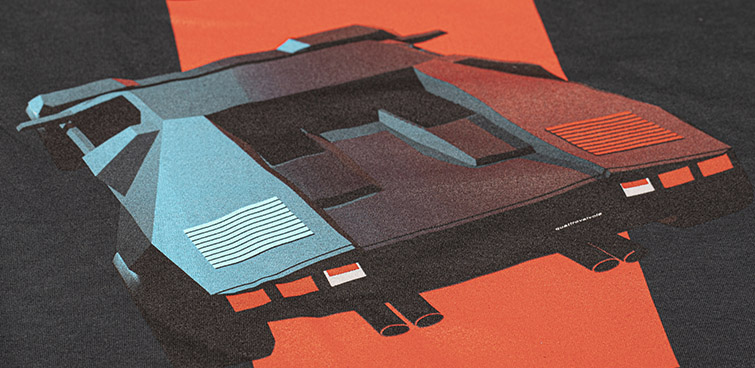
Plastisol Screen Printing
This technique is a widely used printing method known for its vibrant colors, durability, and wash resistance. It provides excellent results on textiles such as t-shirts and is popular because of the ability to print on various materials.
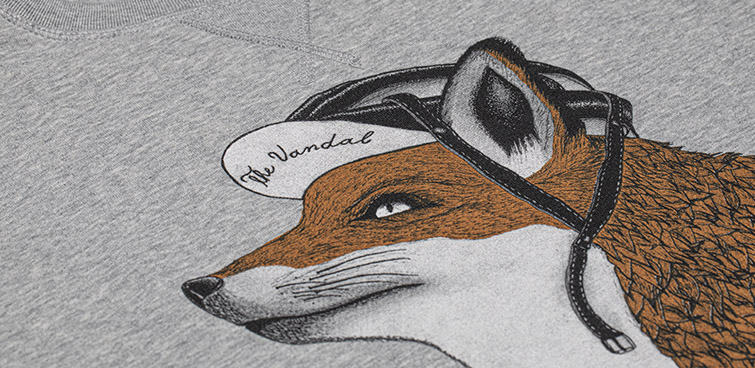
Waterbased Screen Printing
Screen printing on textiles with water-based inks offers an eco-friendly solution that is both environmentally responsible and effective. This technique reduces the environmental impact and provides a soft, breathable finish that feels comfortable on various types of fabrics.
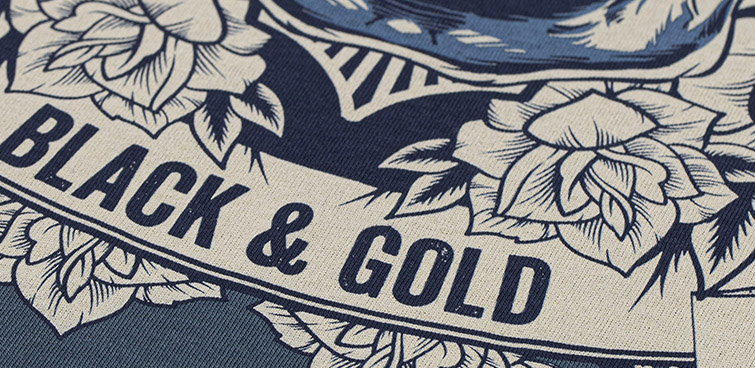
Discharge Screen Printing
In discharge screen printing, the dye of the textile is removed and replaced with new pigments without a white underbase. This results in a soft, "feel-less" print with a subtle, vintage effect on clothing.
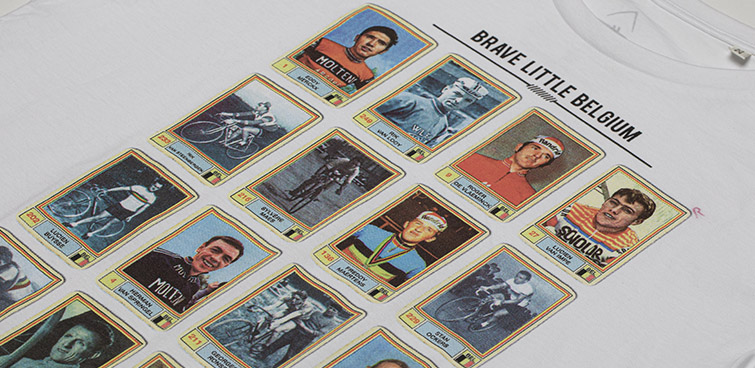
Quadri (CMYK Printing) on white
Quadri Screen Printing, or four-color printing, uses four basic inks (cyan, magenta, yellow, and black) to reproduce a wide spectrum of colors on textiles. This technique mixes colors in various percentages to create detailed, full-color designs.
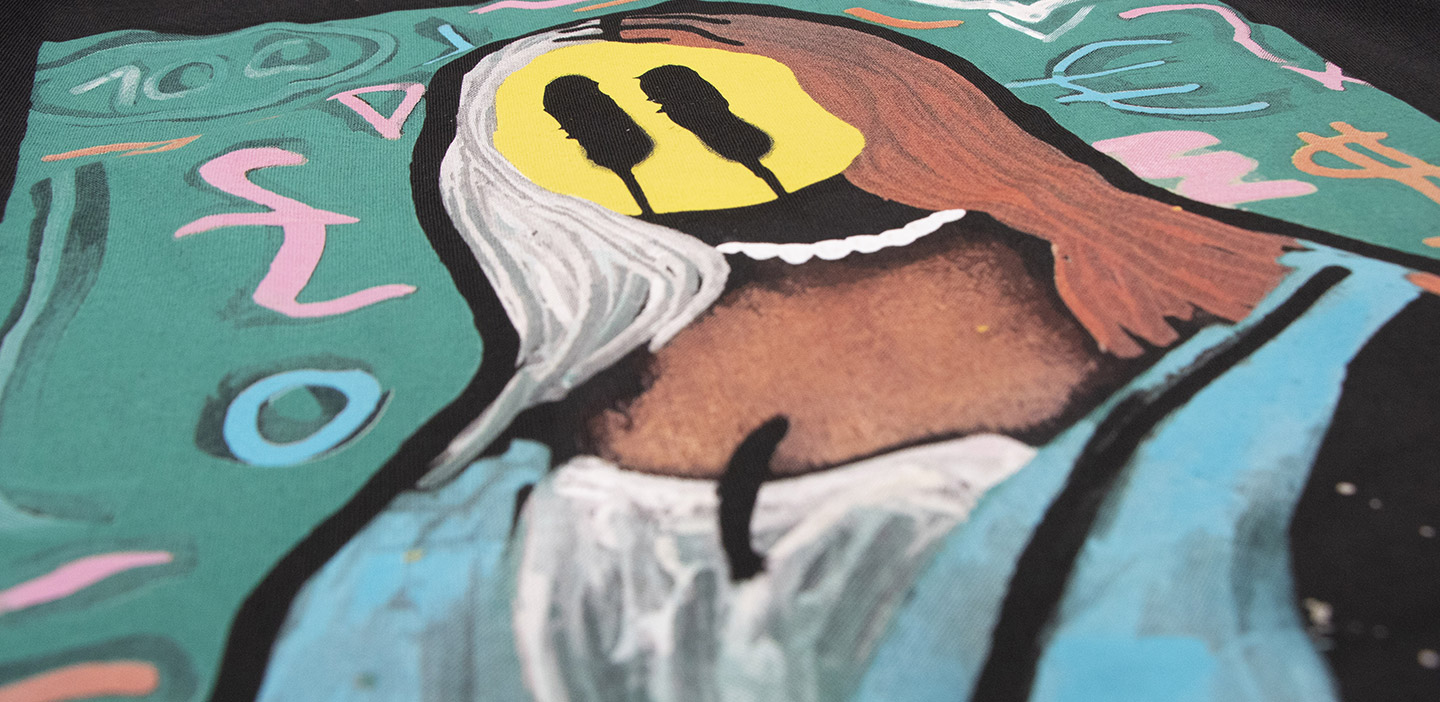
Full Color Printing on dark colors
Full-color spot process screen printing is a technique where specific colors are carefully mixed and printed to produce vibrant, detailed images on textiles. This method combines precise color reproduction with the advantages of screen printing technology.
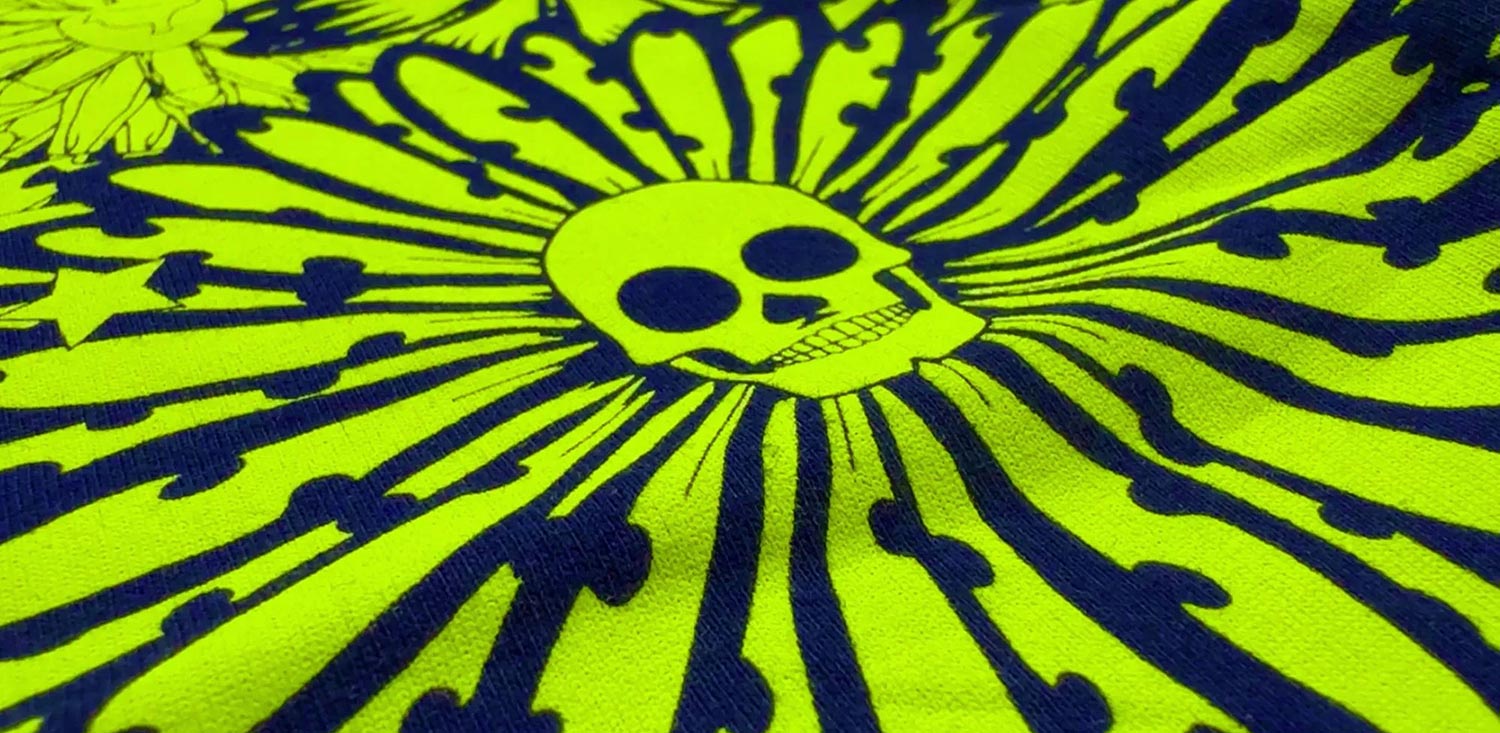
Fluo
Neon or fluorescent Pantone colors, such as fluorescent yellow, fluorescent green, and fluorescent pink, give a vibrant look to your design in screen printing. These inks with fluorescent pigments are highly visible under normal light and even brighter under blacklight.
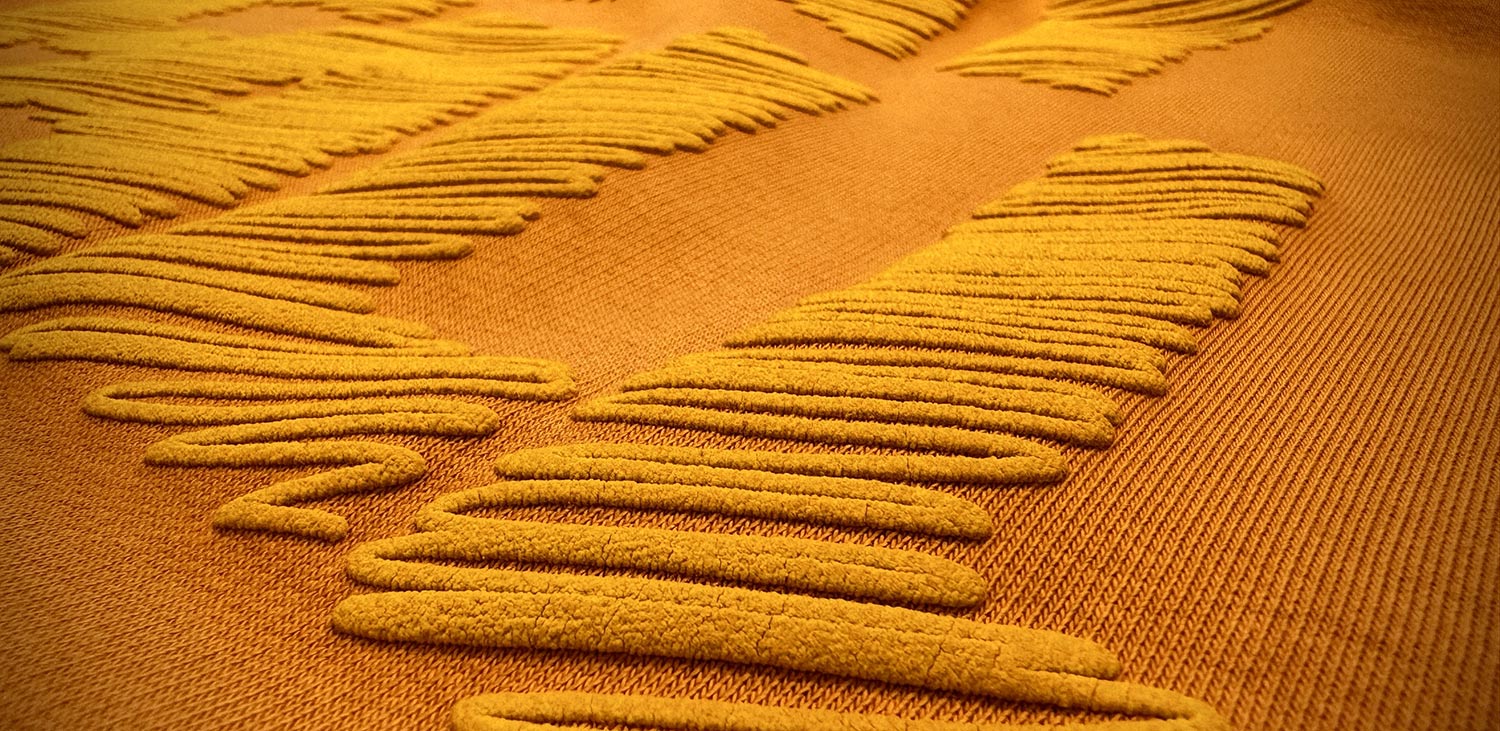
Puff Screen Printing
Puff screen printing is a technique where a special ink with an expanding additive is used. During the drying process, the ink rises on the textile, creating a three-dimensional "puffy" effect with a tangible structure and texture.
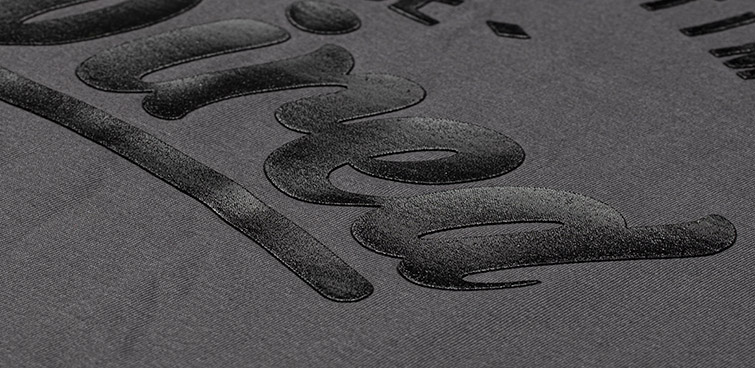
High Density Inkt
High-density screen printing creates a raised, 3D effect on textiles. This results in a tangible structure with depth and texture, giving designs a striking, sculptural appearance.
Clear Gel Base Inkt
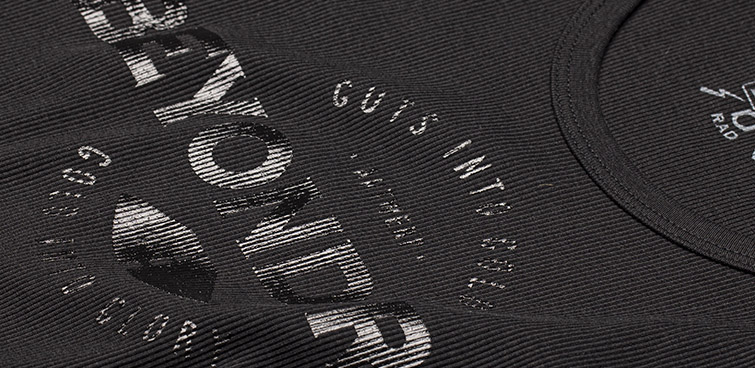
Clear base screen printing uses a transparent base layer on textiles, similar to the principle of spot varnish. This enhances color brightness and depth without covering the fabric, preserving textures and providing a refined, soft finish.
Reflective Screen Printing
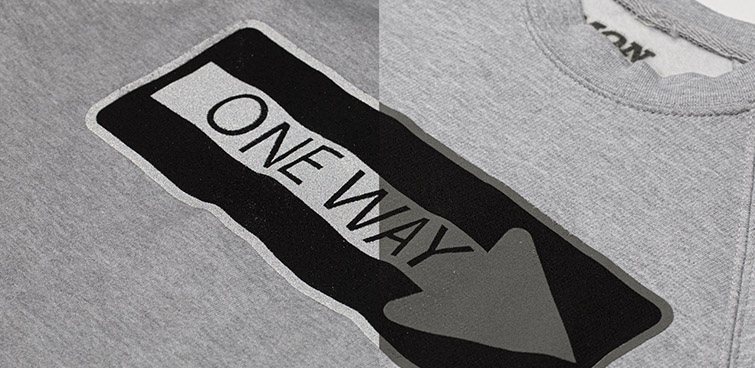
Reflective screen printing uses a special ink with reflective particles that bounce light back, increasing visibility in dark conditions.
Glow-in-the-dark Ink
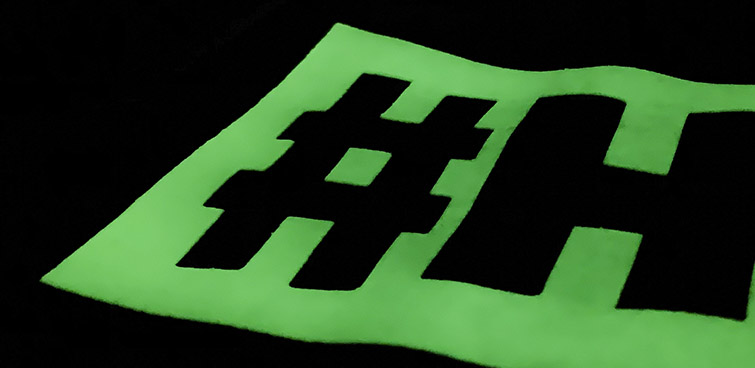
Glow-in-the-Dark Ink is a special screen printing ink that absorbs and stores light when exposed to light sources. In the dark, the ink emits light, giving designs on textiles a striking, fluorescent effect.
UV Ink
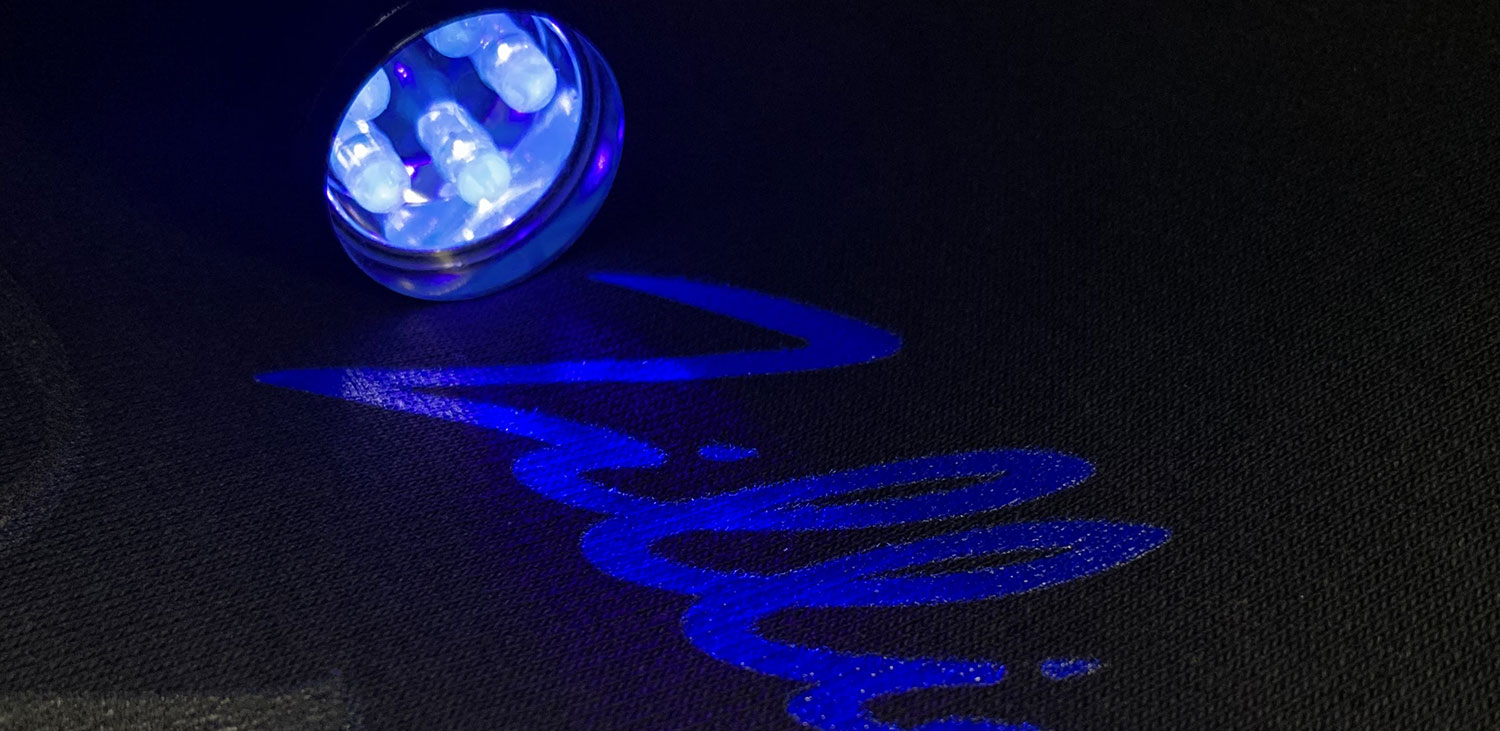
UV ink screen printing (Ultraviolet) creates special effects that glow under blacklight. This ink remains invisible under normal light but brightly glows under UV light, giving designs a striking and vibrant effect.
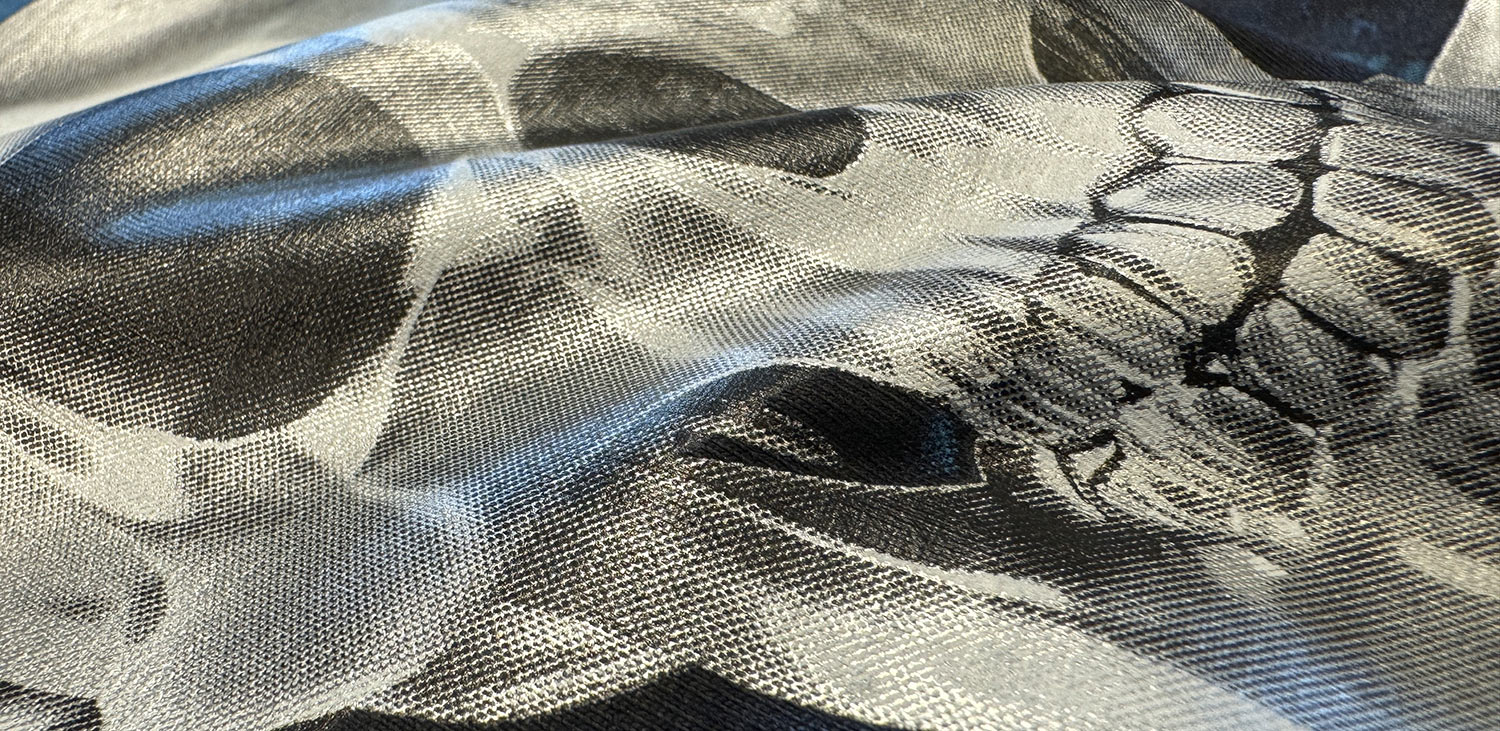
Liquid Silver
Liquid Silver is a special silver ink that is applied in liquid form and dries to a glossy, metallic finish. Unlike glitter or shimmer inks, it offers an elegant, matte silver appearance.
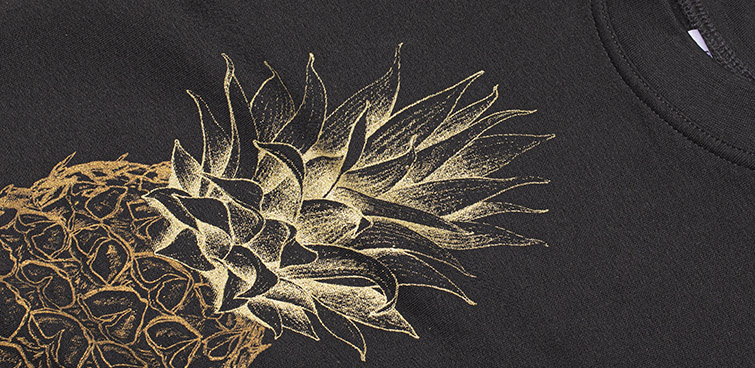
Metallic Ink
Metallic ink, such as gold and silver, is among the most popular shimmer inks. These inks give designs a luxurious appearance and are ideal for various applications where a premium effect is desired.
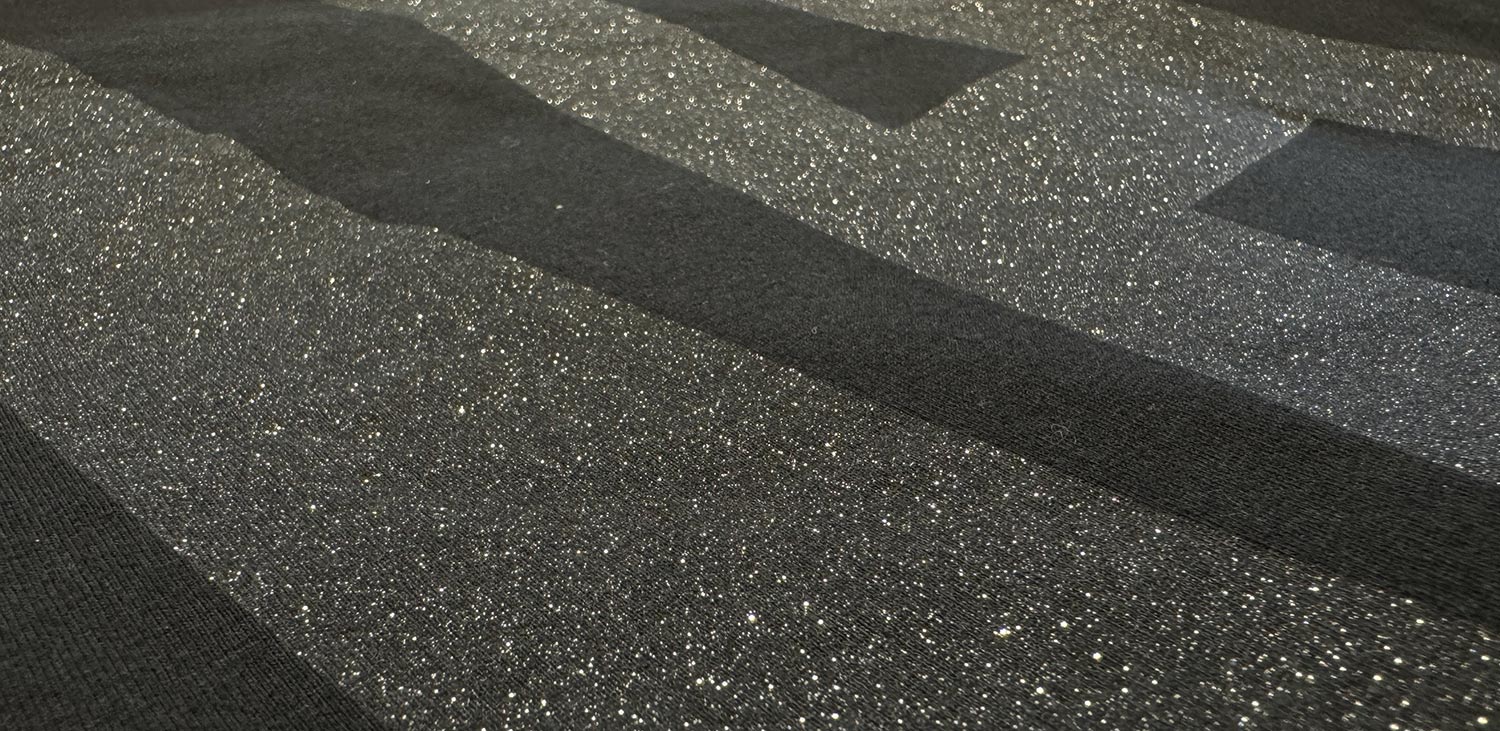
Black Diamond
Black shimmer ink, also known as "black diamond," is a special screen printing ink that provides a subtle, glossy finish on textiles. This ink adds a refined sparkle to black designs, giving them a luxurious appearance.
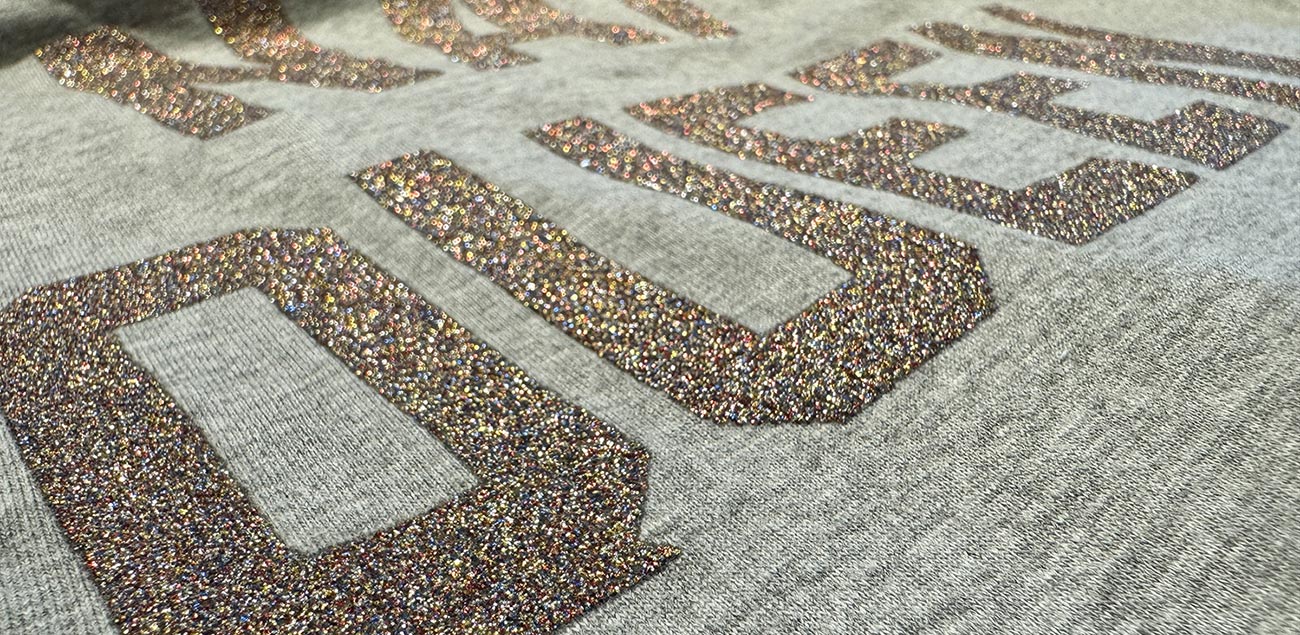
Multi Glitter
Multi glitter screen printing uses ink with various glitter particles to give textiles a sparkling, versatile finish. This technique creates a vibrant look by mixing colors and textures.
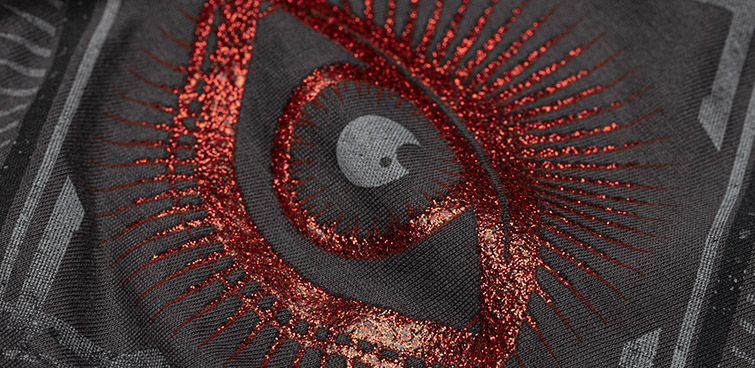
Glitter Effect Screen Printing
Glitter ink in screen printing contains small mini-glitter particles that create a "bling-bling" effect on textiles. These inks are available in colors such as red, blue, green, gold, silver, and other variants, offering a striking and vibrant finish.
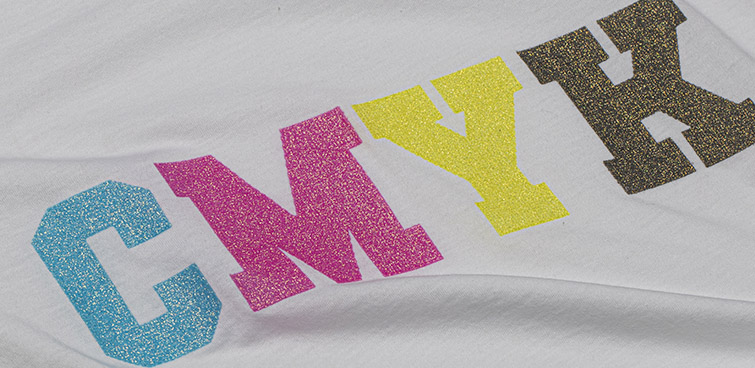
Crystalina Ink
Crystalina screen printing ink contains transparent glitter particles that create a glossy, crystal-like effect on your design. This transparent glitter ink enhances the visual impact.
Important before you order
How do I submit my order?
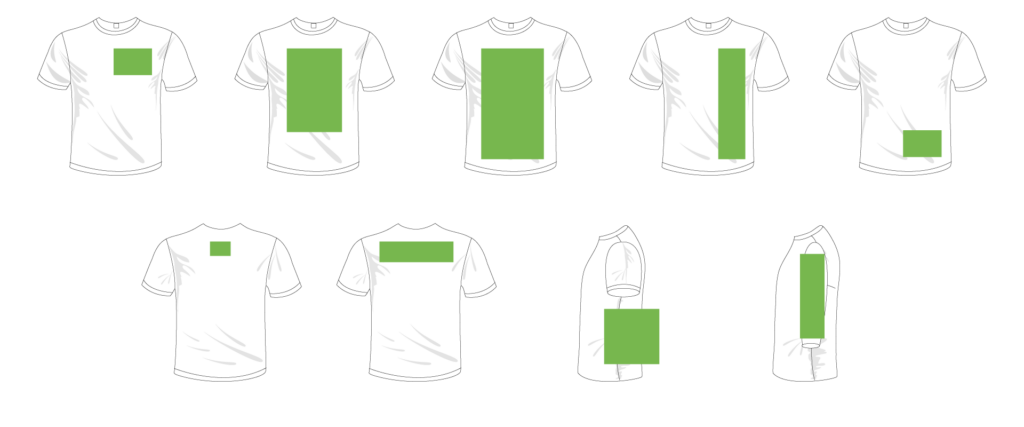
Possible print positions